
Want to Keep Your Mind Sharp? Avoid These 4 Everyday Habits That Secretly Harm Your Brain

Discover the four subtle habits that can undermine your brain health faster than you might expect.

Protect Your Brain Health: Avoid These 4 Common Habits That Can Harm Your Mind

The brain is arguably the most crucial organ in your body, overseeing memory, thoughts, emotions, and physical actions. Without optimal brain function, even basic daily tasks become challenging. However, some seemingly harmless habits can secretly undermine your brain health. Here are four key habits to avoid to protect your brain, especially as you age.

Understanding Brain Health

Before we delve into the habits to avoid, it’s important to understand what brain health encompasses. According to the NHS, brain health includes cognitive function (thinking, learning, and memory), motor function (movement and balance), emotional function (managing emotions), tactile function (sensation and response to touch), and sensory function (sight, hearing, taste, and smell).

4 Habits That Harm Your Brain Health

1. Excessive Sitting


Sitting for prolonged periods can negatively impact cognitive health. Research shows that extended sitting affects the medial temporal lobe, crucial for forming new memories. Those who sit more often may experience thinner regions in this area, which could lead to cognitive decline and even dementia. To combat this, aim to move every 15 to 30 minutes. Simple activities like stretching, light exercises, or a short walk can help.

2. Lack of Social Interaction


Loneliness has been linked to cognitive decline, depression, and Alzheimer’s disease. It also contributes to a loss of brain matter. Studies show that those who are socially isolated tend to lose more gray matter. To counter this, maintain regular contact with a few close friends or family members, either in person or online. Meaningful interactions are key to keeping your brain engaged and healthy.

3. Insufficient Sleep


Poor sleep can significantly impair memory, reasoning, and problem-solving skills. Despite the recommendation of seven to eight hours of sleep per night, many adults fall short. To improve your sleep, try going to bed an hour earlier and engage in relaxing activities before sleep, like reading. Avoid screens, as they can interfere with your ability to fall asleep.

4. Chronic Stress


Constant stress can lead to the shrinkage of the prefrontal cortex and damage brain cells. This stress often stems from an insistence on having things go your way. To manage stress, practice flexibility and empathy, and try to view situations from different perspectives. Reducing ego and embracing a more adaptable mindset can significantly lower stress levels and benefit your brain health.

By being mindful of these habits and making adjustments, you can better protect and enhance your brain health. Incorporate these changes into your daily routine to help ensure a healthier, more resilient mind.

6 Reasons Packaged or Processed Foods Are a Poor Choice

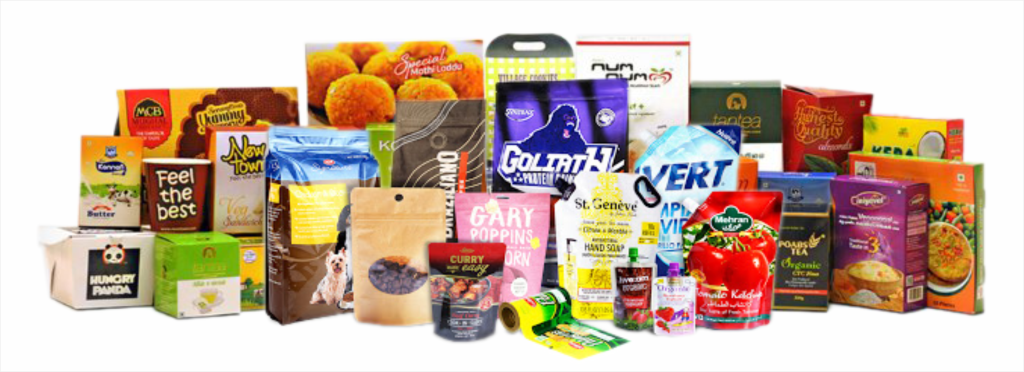
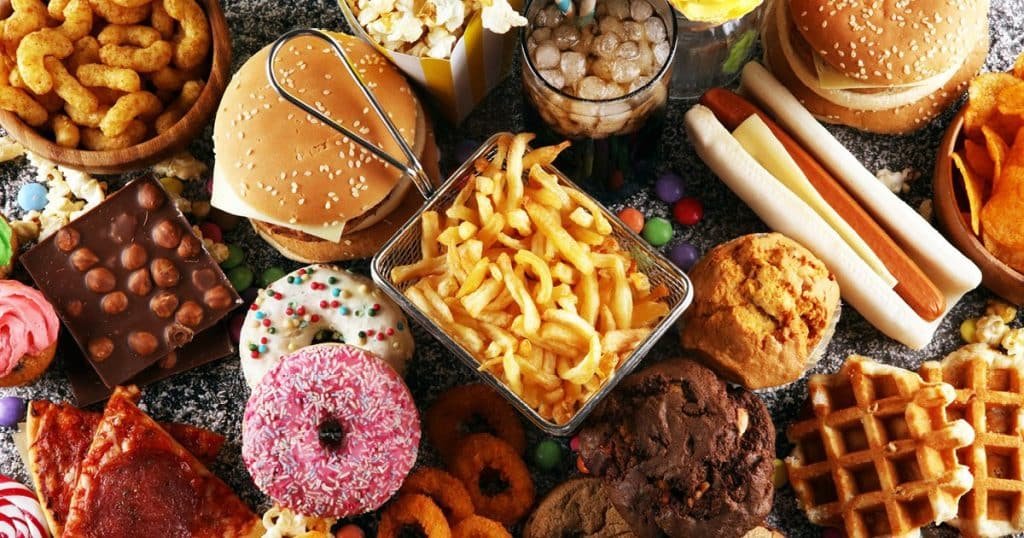
Packaged and processed foods have become a staple of modern convenience, offering tempting flavors and ease of preparation. However, frequent consumption of these foods can lead to significant health issues. Here are six compelling reasons to reconsider your diet and cut back on processed options.

6 Reasons Packaged or Processed Foods Are a Poor Choice

In today’s fast-paced world, the convenience of processed foods is undeniable. They offer a quick solution when time is tight, making them a popular choice for many. However, the long-term drawbacks of relying on these foods far outweigh the short-term benefits. Here are six key reasons why opting for processed foods might not be the best choice for your health and well-being.

High in Unhealthy Fats and Sugar
Processed foods often contain excessive amounts of trans fats and saturated fats, which contribute to heart disease and high cholesterol levels. Added sugars, prevalent in these foods, can lead to obesity, type 2 diabetes, and dental issues. Despite their appealing taste, these additives make processed foods highly addictive and detrimental to your health.

Elevated Sodium Levels


A major concern with processed foods is their high sodium content, used to enhance flavor and preserve shelf life. Excess sodium intake is linked to hypertension, a major risk factor for heart disease and stroke. Many processed foods contain nearly the entire daily recommended sodium intake in just one serving, which can strain the kidneys and contribute to chronic health conditions.

Nutrient Deficiencies
Processed foods often lack the essential nutrients found in fresh fruits, vegetables, and whole grains. The processing methods typically strip away vital vitamins, minerals, and fiber, leading to a diet that is low in essential nutrients. This can undermine overall health, energy levels, and immune function.

Additives and Preservatives


To extend shelf life and enhance flavor, manufacturers add various chemicals, such as artificial colorants and preservatives. While small amounts may be considered safe, regular consumption of these additives could have long-term health effects, including allergic reactions and potential behavioral impacts in children.

Risk of Contaminants


The handling, processing, and packaging of processed foods can introduce contaminants, such as bacteria, viruses, or chemicals from packaging materials. Although food safety standards are in place, recalls due to contamination are not uncommon, highlighting the potential risks associated with processed foods.

Environmental Impact
Processed foods often come wrapped in single-use plastics or non-biodegradable materials, contributing to environmental pollution. The production, packaging, and transportation of these foods add to the carbon footprint and greenhouse gas emissions, exacerbating environmental degradation.

While processed foods offer convenience, their adverse effects on health and the environment make them a less favorable choice in the long run. A diet rich in fresh, whole foods not only supports better health but also promotes environmental sustainability.

The Role of Zinc in Immune Health and Healing: 6 Top Vegetarian Sources

Zinc, though often overshadowed by more widely discussed nutrients, plays a crucial role in maintaining a robust immune system and promoting effective wound healing. While zinc is plentiful in animal-based foods, vegetarians must be more deliberate in incorporating this essential mineral into their diets to ensure they meet their nutritional needs.

The Role of Zinc in Immune Health and Healing: 6 Top Vegetarian Sources

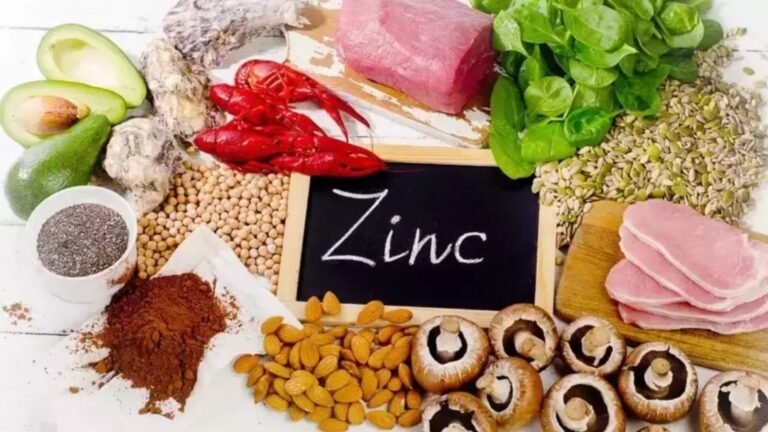
Zinc is a crucial trace mineral essential for overall health, particularly in supporting immune function and aiding healing processes. It plays a significant role in biochemical activities like cell division, DNA synthesis, and protein production, which are vital for a strong immune system and effective tissue repair. Zinc deficiency can lead to weakened immune responses, increased susceptibility to infections, and a reduced effectiveness of vaccinations, leaving individuals at higher risk for illnesses like pneumonia and diarrhea. Adequate zinc levels are essential for a robust immune response, serve an anti-inflammatory function, and help maintain the integrity of skin and mucous membranes, which act as natural barriers against pathogens.

Zinc = Enhanced Immune Health & Healing

Zinc is integral to both innate and adaptive immunity. Low zinc levels can impair the development and function of immune cells such as neutrophils, macrophages, and natural killer cells. Additionally, zinc is vital for wound healing and tissue repair, promoting collagen synthesis essential for wound closure and integrity. Its role in cell division and protein synthesis makes it crucial for tissue regeneration after injuries or surgeries. Zinc’s antioxidant properties also protect cells from oxidative stress during the healing process.

Top Vegetarian Sources of Zinc

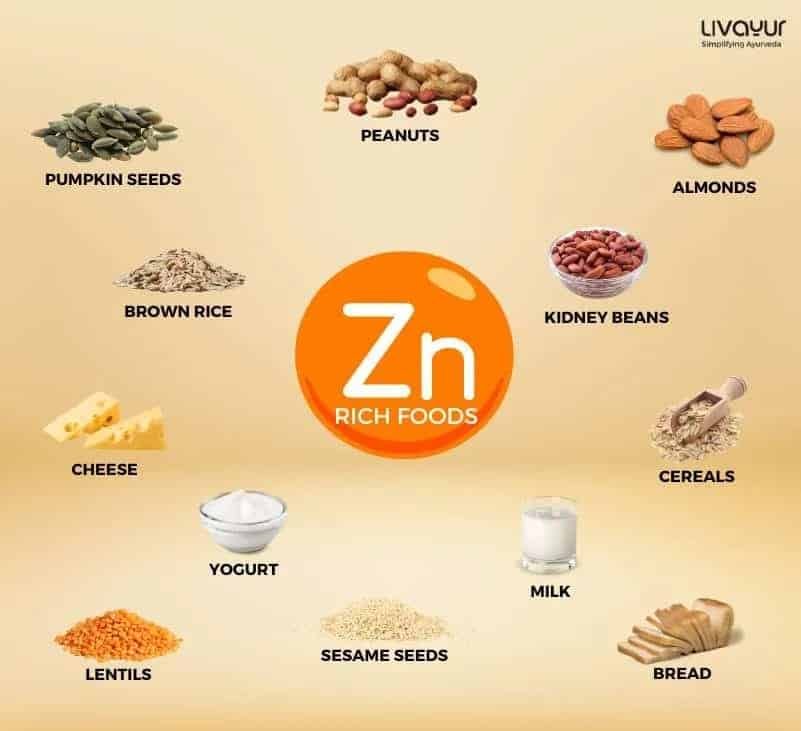
While zinc is abundant in animal products, vegetarians can easily obtain sufficient amounts from plant-based sources. Here are six excellent vegetarian sources of zinc:

  • Pumpkin Seeds: Nutrient-dense and rich in zinc, a small handful of pumpkin seeds provides a substantial portion of your daily intake along with healthy fats and antioxidants.
  • Chickpeas: Also known as garbanzo beans, chickpeas are versatile and can be used in salads, soups, or made into hummus. They are not only high in protein and fiber but also a good source of zinc.
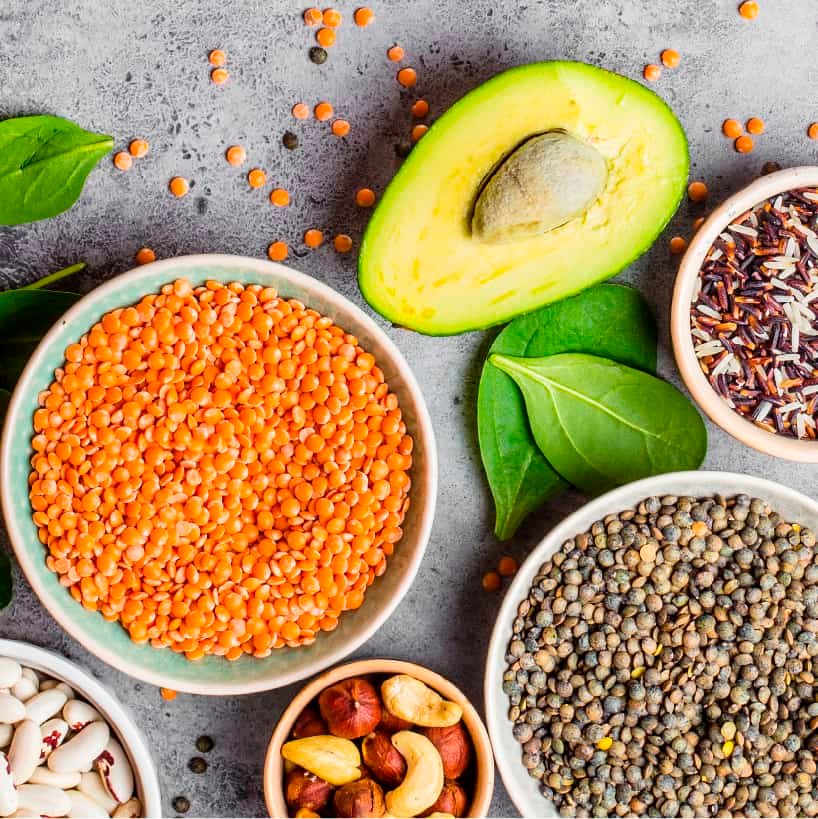
  • Lentils: Another legume rich in zinc, lentils are also excellent plant-based sources of protein and iron, making them a healthy addition to a vegetarian diet.
  • Cashews: Delicious and zinc-rich, cashews can be enjoyed as a snack or added to dishes for a crunchy texture. They are also useful for making creamy sauces.
  • Quinoa: This ancient grain is a complete protein containing all nine essential amino acids and offers a good amount of zinc. It’s versatile and can be included in salads, sides, or baked goods.
  • Oats: An excellent whole-grain source of zinc, oats also provide fiber, which aids in digestion. They can be eaten as oatmeal, added to smoothies, or incorporated into baked goods.

By incorporating these zinc-rich foods—pumpkin seeds, chickpeas, lentils, cashews, quinoa, and oats—into a well-rounded vegetarian diet, you can support overall health and well-being.

5 Ways Decluttering Boosts Mental Health and Jumpstarts Your Minimalist Journey

Decluttering isn’t just about tidying up your space; it can significantly enhance your mental well-being and set you on the path to a minimalist lifestyle. Here’s how reducing clutter can positively impact your mental health and help you embrace minimalism:

  1. Reduces Stress and Anxiety: A cluttered environment can overwhelm your senses and contribute to feelings of stress and anxiety. By decluttering, you create a more organized and serene space that fosters relaxation and mental clarity.
  2. Improves Focus and Productivity: Excessive clutter can distract and hinder your ability to concentrate. A tidy, streamlined environment helps you stay focused and boosts productivity, making it easier to accomplish tasks and achieve your goals.
  3. Enhances Emotional Well-being: Letting go of items you no longer need can be cathartic and freeing. This process of decluttering allows you to make room for things that truly matter, leading to greater emotional satisfaction and a sense of accomplishment.
  4. Promotes Better Sleep: A chaotic, cluttered space can disrupt your ability to unwind and get restful sleep. A clean and organized bedroom creates a calming atmosphere, improving your sleep quality and overall well-being.
  5. Encourages Mindfulness and Intentional Living: Embracing minimalism through decluttering helps you become more mindful of your possessions and their purpose. This shift towards intentional living fosters a deeper appreciation for what you have and helps you focus on what truly enriches your life.

Paris Olympics 2024: How These Two Common Household Superfoods Fueled Arshad Nadeem’s Gold Medal Triumph

Arshad Nadeem’s path to securing gold at the Paris Olympics 2024 is a remarkable story of resilience and determination. Despite facing financial hardships, Nadeem’s family ensured he had access to two essential superfoods commonly found in most households. Discover how these everyday staples played a crucial role in his fitness and success.

Pakistan’s Arshad Nadeem Makes History at Paris Olympics 2024: How Two Simple Superfoods Fueled His Gold Medal Victory

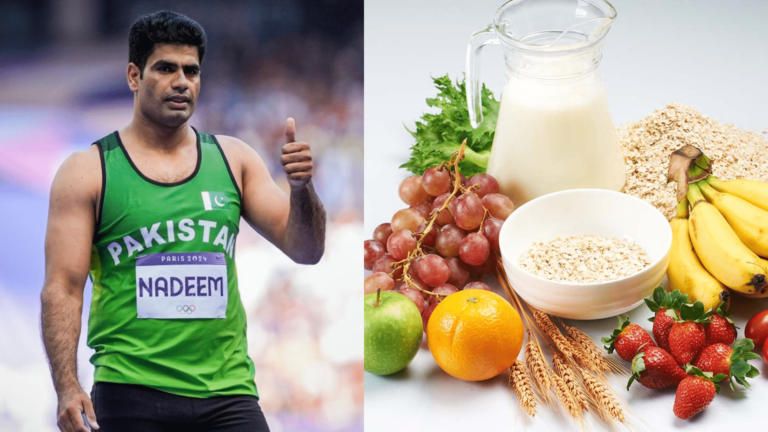
At the Paris Olympics 2024, Arshad Nadeem etched his name in history by winning Pakistan’s first-ever individual gold medal in javelin throw and the country’s first medal in 31 years. His inspiring journey from modest beginnings to Olympic glory highlights not only his resilience and dedication but also the crucial role of simplicity in his diet.

Growing up in Mian Channu, a small village in Punjab, Pakistan, Arshad Nadeem was inspired by local tent pegging competitions, which shared similarities with javelin throw. Despite financial struggles, his family prioritized his nutrition, ensuring he had access to just two vital superfoods: milk and ghee.

Arshad’s uncle, Mohammad Ashraf, shared how they managed to provide these essential foods even during tough times. “Despite earning just 300-400 rupees a day to support nine people, we made sure Arshad and his siblings always had milk and ghee,” he said.

Benefits of Milk and Ghee

Milk: Known for its rich nutritional profile, milk is an excellent source of high-quality protein, calcium, vitamin B12, and riboflavin. These nutrients contribute to bone health, reduce blood pressure, and support cognitive function. Milk’s protein and fat content also make it a filling option, aiding in weight management and overall well-being.

Ghee: This traditional ingredient is packed with antioxidants and fat-soluble vitamins like A, D, E, and K. It also provides essential minerals such as magnesium, calcium, and potassium. The Omega-3 and Omega-6 fatty acids in ghee support digestion, boost the immune system, and soothe the intestinal walls. Rich in DHA, ghee benefits brain development, reduces inflammation, and helps slow down the ageing process.

Arshad Nadeem’s success story demonstrates that even with limited resources, the right nutritional choices can make a significant difference in achieving greatness.

Anti-Aging: 8 Top Foods to Combat Wrinkles and Promote Youthful Skin

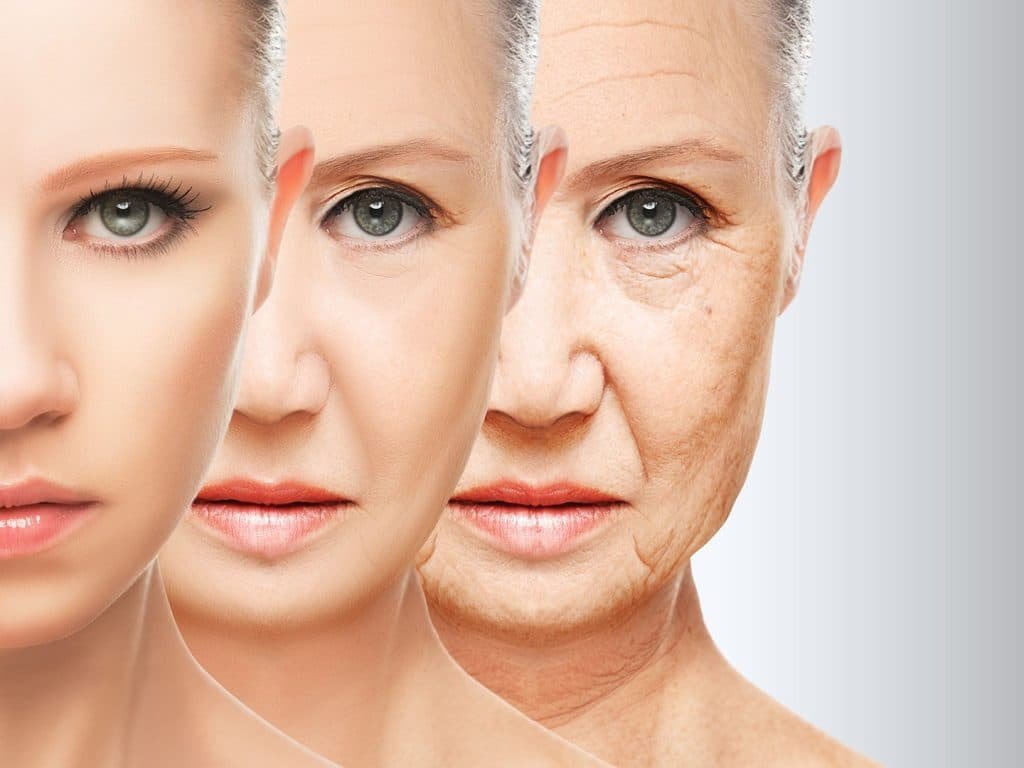
The pursuit of youthful skin and a delay in aging is an age-old quest, but today’s approach is more refined than ever. If you’re looking to support your skin and reverse signs of aging, here are eight top foods to kickstart your journey towards a more youthful appearance.

Table of Contents

  1. Blueberries
  2. Avocados
  3. Salmon
  4. Nuts
  5. Green Tea
  6. Sweet Potatoes
  7. Dark Chocolate
  8. Tomatoes

Aging is a natural part of life, and while we should embrace it, many are keen to slow its visible effects. Instead of relying solely on cosmetic solutions, consider incorporating specific nutrient-rich foods into your diet. These foods can help combat oxidative stress, boost collagen production, and maintain youthful, radiant skin. Here are eight top foods that can help you achieve a more youthful appearance:

Blueberries
Packed with antioxidants like anthocyanins, blueberries shield the skin from damage caused by free radicals. Rich in vitamins A and C, they help maintain skin elasticity and prevent wrinkles.

Avocados


Loaded with healthy monounsaturated fats, avocados lock in moisture and promote skin elasticity. They also provide vitamins E and C, essential for protecting skin from oxidative damage and supporting collagen production.

Salmon
Rich in omega-3 fatty acids and astaxanthin, salmon has anti-inflammatory properties that keep skin hydrated and youthful. Astaxanthin, a powerful antioxidant, helps prevent skin aging and maintains a youthful glow.

Nuts
Nuts, particularly almonds and walnuts, are high in vitamin E, which protects the skin from sun damage and supports healing. The healthy fats in nuts help keep skin plump and well-moisturized.

Green Tea


Green tea is rich in polyphenols, especially catechins, which protect the skin from UV damage and reduce signs of aging. Regular consumption improves skin elasticity and reduces wrinkle formation.

Sweet Potatoes
Sweet potatoes are a great source of beta-carotene, which the body converts into vitamin A. This nutrient supports skin health, cellular renewal, and provides a healthy glow.

Dark Chocolate


Dark chocolate with over 70% cocoa content is packed with antioxidants. Flavonoids in dark chocolate protect the skin from UV damage, improve blood flow, and enhance hydration, leading to better skin texture and thickness.

Tomatoes
Rich in lycopene, tomatoes help protect the skin from sun damage and promote collagen production. Cooked tomatoes, in particular, provide a higher concentration of lycopene, making them a great addition to an anti-aging diet.

Including these foods in your daily diet can significantly benefit your skin and overall health. While they won’t stop aging, they can help slow its effects and keep your skin looking youthful. Remember, a balanced diet, proper hydration, and sun protection are also crucial for maintaining a youthful appearance.

Paris Olympics 2024: Mirabai Chanu’s Medal Challenge Highlights Need for Period Management—Tips to Stay Active and Alleviate Cramps During the First Three Days

Navigating period cramps can be particularly tough during the initial three days of your menstrual cycle. However, there are several strategies you can use to manage discomfort and maintain your activity levels. Here are some tips to help you stay active and find relief from period cramps.

Table of Contents

  1. How Does a Woman’s Body Change During Her Period?
  2. How to Ease Period Cramps
  • Stay Hydrated
  • Comfort Foods
  • Light Workout
  • Take a Warm Bath

Recently, Indian weightlifter Saikhom Mirabai Chanu narrowly missed out on an Olympic medal by just one kilo, landing in fourth place in the women’s 49 kg weightlifting event at the Paris 2024 Olympics. Despite the setback, she remained confident and positive, acknowledging the added challenge of competing on the third day of her period. She noted how this impacted her performance and highlighted the common struggles women face during their menstrual cycle.

Mirabai’s Insight
In her post-event press interaction, Mirabai shared, “I’m satisfied with my performance and gave my all to secure a medal for India. Despite limited recovery time from an injury, I managed well. However, it was the third day of my period, which, just like in Tokyo, influenced my body and performance.”

How Does a Woman’s Body Change During Her Period?
Menstruation brings various physical and emotional changes. According to Dr. Astha Goyal, “During the first three days of menstruation, women experience physiological changes due to hormonal fluctuations and the shedding of the uterine lining. These changes can lead to symptoms such as fatigue, weakness, and discomfort.”

How to Ease Period Cramps

  1. Stay Hydrated
    While staying hydrated may not directly stop cramps, it can help alleviate bloating, a common cause of discomfort. Adding mint or lemon to your water can make it more refreshing and encourage hydration.
  2. Comfort Foods
    Eating a low-fat, high-fiber diet with whole grains, lentils, beans, vegetables (especially leafy greens), fruits, and nuts can help manage period cramps. Nutrients like vitamins E, B1, B6, magnesium, zinc, and omega-3 fatty acids reduce the production of hormone-like substances that cause cramps and relieve muscle tension.
  3. Light Workout
    Engaging in light exercise can help ease period pain by releasing endorphins, which improve mood and reduce discomfort. Activities such as walking, using a treadmill, swimming, or doing yoga can keep the body active and alleviate cramps.
  4. Take a Warm Bath
    A warm bath can soothe both the muscles and mind, providing significant relief from cramps.

Although the first few days of your period can be challenging, implementing these strategies can help manage pain and maintain your activity levels. Remember, while it’s essential to stay active, it’s also crucial to listen to your body and allow it the rest it needs.

Thailand Food Festival: Get Ready for a Thrilling Thai Culinary Celebration

0

Get ready for an unforgettable culinary adventure as the Tourism Authority of Thailand in Mumbai, in collaboration with Four Monkeys Events, presents the Amazing Thailand Food Festival 2024. This vibrant celebration, led by renowned chefs Chef Seefah, Chef Karan, Rohan Manglorkar, and Dhanraj Shinde, is set to showcase the best of Thai culture and cuisine right here in India.

Dive into a whirlwind of excitement with live food stations featuring authentic Thai flavors and a selection of traditional Thai products. Enjoy the lively atmosphere with captivating music and entertainment.

Experience Thai Flavors Like Never Before

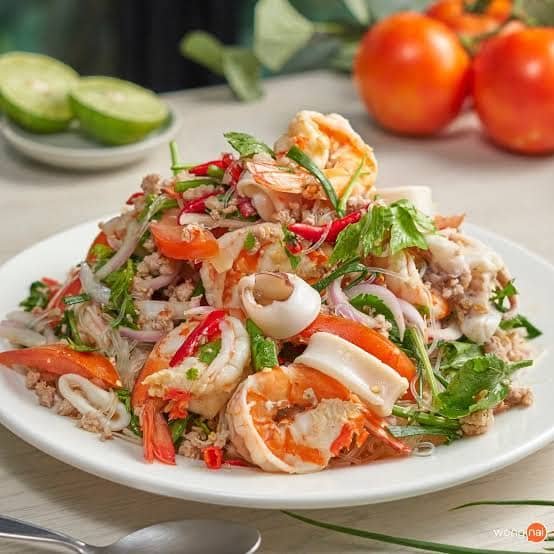
Savor a taste of Bangkok with dishes expertly crafted by expat master chefs. Indulge in mouthwatering options like Stew 5 Spice & Knuckle Pork Rice, the renowned Khao Soi, Thai-style deep-fried chicken, and a zesty spicy salad. Rice lovers will delight in the Char Sui Pork Rice.

Fusion Delights and Unique Creations

Mumbai’s top chefs are adding their creative twist to Thai classics. Sample the Thai Chicken Basil Avo Taco, Carb Gai, Nam Prik Pao, and the Thai-style Smoked Pulled Pork Sandwich. Enjoy innovative fusions like Pandan Custard, Kaffir Lime Curd Doughnut, and Coconut Chicken Doughnut with Tom Yum Sugar.

Sweet Treats and Ice Cream Bliss

For dessert, try the Thai Tea Cake, Young Coconut Cake, and local favorites such as Bha-Jang, Chiangmai Sausage, Esan Sausage, Grilled Pork Skewer, and Pork Meat Roll with Nam Prik Nhoom. Ice cream enthusiasts will love flavors like Black Sesame, Kaffir Lime Coconut, Durian Banana, Mauritian Vanilla Bean, and Red Chilli from Icestasy.

Exclusive Dining and Cocktail Experiences

Don’t miss the special TumTor restaurant pop-up, curated by Chef Tor from Thailand. Cocktail lovers can elevate their experience with “Sip with Seefah,” a specially curated bar experience.

Family Fun and Cultural Performances

Explore stalls with top Thai sauces perfect for your kitchen and enjoy a dedicated kids and gaming zone. Conclude your visit with a mesmerizing traditional Thai dance performance by Ms. Worakamon and her team.

Mr. Isada Saovaros, Director of the Tourism Authority of Thailand, Mumbai, shares, “Food has a unique way of connecting us, bridging cultures through shared flavors and traditions. Thailand and India are united by more than just geography; our culinary passions forge a special bond. I warmly invite everyone to experience the incredible flavors, delightful aromas, and lively atmosphere of Thailand right here in India. Let’s celebrate the beautiful harmony between our cultures at the Amazing Thailand Food Festival!”

6 Common Foods Rich in Vitamin A for Better Eye and Skin Health

0

Vitamin A is a vital nutrient that supports various crucial functions in the body. While its role in maintaining good vision is well-known, it also plays an important part in immune function and skin health. Here are six commonly found foods that are excellent sources of Vitamin A:

Table of Contents

  1. Foods Rich in Vitamin A
  2. Carrots
  3. Sweet Potatoes
  4. Spinach & Kale
  5. Liver
  6. Mangoes and Papayas
  7. Red and Yellow Bell Peppers

Vitamin A is essential for maintaining overall health, with notable benefits for vision, skin health, and immune function. This fat-soluble vitamin, stored in the liver, plays a crucial role in producing rhodopsin, a protein necessary for low-light vision and color perception. A deficiency in Vitamin A can lead to night blindness and, in severe cases, complete blindness.

Beyond its role in vision, Vitamin A is vital for skin health, promoting the formation of new skin cells and maintaining tissue integrity. It also supports cell growth in organs such as the lungs, kidneys, and heart and is crucial for a well-functioning immune system, helping the body respond effectively to infections.

Foods Rich in Vitamin A

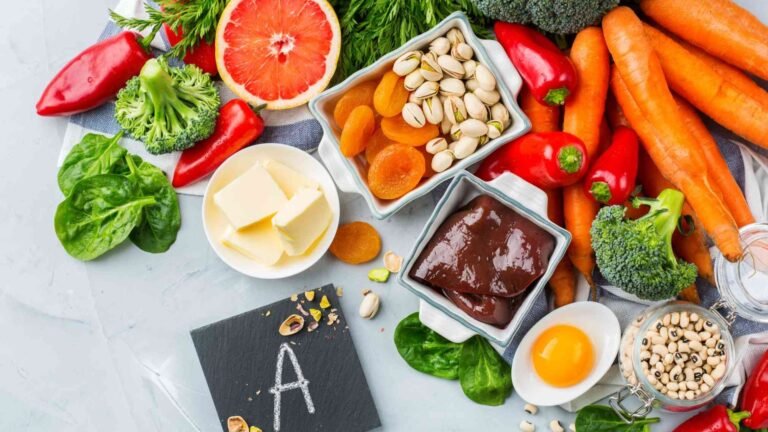
Incorporating Vitamin A-rich foods into your diet ensures adequate intake of this essential nutrient. Vitamin A comes in two primary forms: preformed Vitamin A (retinol), found in animal products, and provitamin A (carotenoids), found in plant-based sources. The body converts carotenoids into retinol.

  1. Carrots
    Carrots are a well-known source of provitamin A, particularly beta-carotene, which the body converts into retinol. Regular consumption supports vision and skin health.
  2. Sweet Potatoes
    Sweet potatoes are rich in beta-carotene, with a single serving providing more than the daily recommended amount of Vitamin A. They are a tasty and nutritious choice.
  3. Spinach & Kale
    These leafy greens are excellent sources of carotenoids and other vital nutrients like iron and calcium. They contribute significantly to your daily Vitamin A intake and overall health.
  4. Liver
    For non-vegetarians, liver is one of the richest sources of preformed Vitamin A. A small serving can provide multiple times the daily recommended amount, making it a potent option.
  5. Mangoes and Papayas
    These tropical fruits are high in beta-carotene, offering a delicious way to increase your Vitamin A levels. Their vibrant color indicates their richness in carotenoids.
  6. Red and Yellow Bell Peppers
    These colorful peppers are rich in Vitamin A and Vitamin C. They are also high in antioxidants, benefiting both skin health and the immune system.

Eating a variety of foods rich in Vitamin A, such as carrots, sweet potatoes, leafy greens, liver, tropical fruits, and bell peppers, can help maintain healthy eyes, boost the immune system, and promote glowing skin. Enjoying these foods will contribute to overall health and well-being.

6 Surprising Benefits of Cherries You Might Not Know

0

Cherries are not just delicious and versatile in desserts; they offer a range of health benefits that may surprise you. While you’re familiar with their sweet-tart flavor and how much kids love them, here are some lesser-known health perks that make cherries even more impressive.

6 Surprising Benefits of Cherries You Might Not Know

Cherries are more than just a tasty, tart fruit enjoyed by kids and a perfect addition to desserts. While they’re well-known for their flavor, they also offer a range of health benefits that you might not be aware of. Here’s why you should consider adding more cherries to your diet:

  1. Cherries: A Powerhouse of Antioxidants
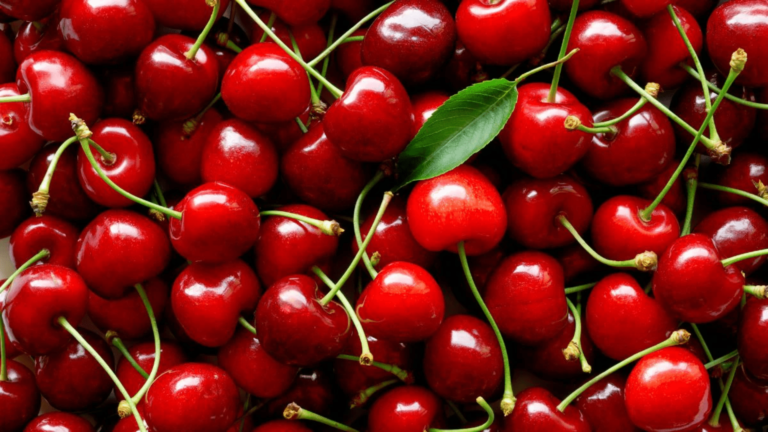
    Cherries are rich in anthocyanins, the antioxidants responsible for their vibrant red color. These compounds help combat oxidative stress and free radicals, which are linked to aging and various diseases. By indulging in cherries, you’re not only satisfying your sweet tooth but also supporting your body’s fight against harmful free radicals.
  2. They Help You Sleep Like a Baby
    Struggling with sleep? Cherries can help. They naturally contain melatonin, a hormone that regulates sleep. Eating a bowl of cherries or drinking sour cherry juice before bed can improve sleep quality, making it easier to drift off and stay asleep through the night.
  3. Relief from Joint Pain
    Cherries, especially tart varieties, are known for their anti-inflammatory properties. They can help alleviate symptoms of arthritis and gout by reducing inflammation and relieving joint pain. Including cherries in your diet might make moving around more comfortable and less painful.
  4. Cherries Give Heart Health a Boost
    Regular consumption of cherries can be beneficial for heart health. They help lower bad cholesterol, reduce blood pressure, and combat inflammation—all factors that contribute to a healthy heart. By adding cherries to your diet, you’re taking a proactive step toward heart health.
  5. Post-Workout Recovery
    Cherries are excellent for post-exercise recovery. Their antioxidant and anti-inflammatory properties can help reduce muscle soreness and speed up recovery time. Drinking tart cherry juice after a workout can be particularly effective in easing muscle pain and aiding recovery.
  6. A Brain-Boosting Snack
    Cherries are not just good for your body but also your brain. The antioxidants in cherries may enhance cognitive functions and protect against neurodegenerative diseases. Snacking on cherries can be a tasty way to support brain health and potentially improve memory and cognitive performance.

Cherries: Versatile, Tasty, and Beneficial
Cherries are a delightful fruit that offers much more than just great taste. With benefits ranging from improved sleep to enhanced heart health, these little fruits pack a big nutritional punch. So next time you’re at the grocery store, don’t skip the cherries—your taste buds and your body will thank you!