
Packaged and processed foods have become a staple of modern convenience, offering tempting flavors and ease of preparation. However, frequent consumption of these foods can lead to significant health issues. Here are six compelling reasons to reconsider your diet and cut back on processed options.
6 Reasons Packaged or Processed Foods Are a Poor Choice
In today’s fast-paced world, the convenience of processed foods is undeniable. They offer a quick solution when time is tight, making them a popular choice for many. However, the long-term drawbacks of relying on these foods far outweigh the short-term benefits. Here are six key reasons why opting for processed foods might not be the best choice for your health and well-being.
High in Unhealthy Fats and Sugar
Processed foods often contain excessive amounts of trans fats and saturated fats, which contribute to heart disease and high cholesterol levels. Added sugars, prevalent in these foods, can lead to obesity, type 2 diabetes, and dental issues. Despite their appealing taste, these additives make processed foods highly addictive and detrimental to your health.
Elevated Sodium Levels
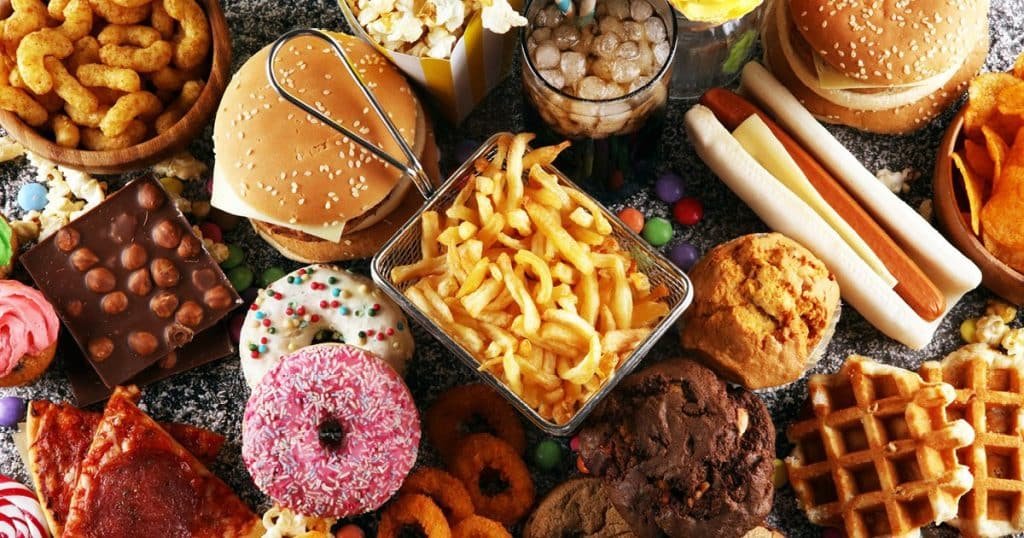
A major concern with processed foods is their high sodium content, used to enhance flavor and preserve shelf life. Excess sodium intake is linked to hypertension, a major risk factor for heart disease and stroke. Many processed foods contain nearly the entire daily recommended sodium intake in just one serving, which can strain the kidneys and contribute to chronic health conditions.
Nutrient Deficiencies
Processed foods often lack the essential nutrients found in fresh fruits, vegetables, and whole grains. The processing methods typically strip away vital vitamins, minerals, and fiber, leading to a diet that is low in essential nutrients. This can undermine overall health, energy levels, and immune function.
Additives and Preservatives
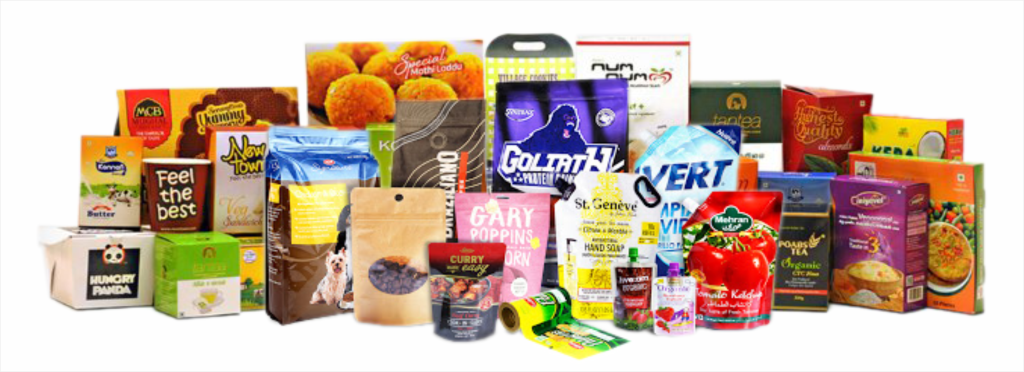
To extend shelf life and enhance flavor, manufacturers add various chemicals, such as artificial colorants and preservatives. While small amounts may be considered safe, regular consumption of these additives could have long-term health effects, including allergic reactions and potential behavioral impacts in children.
Risk of Contaminants
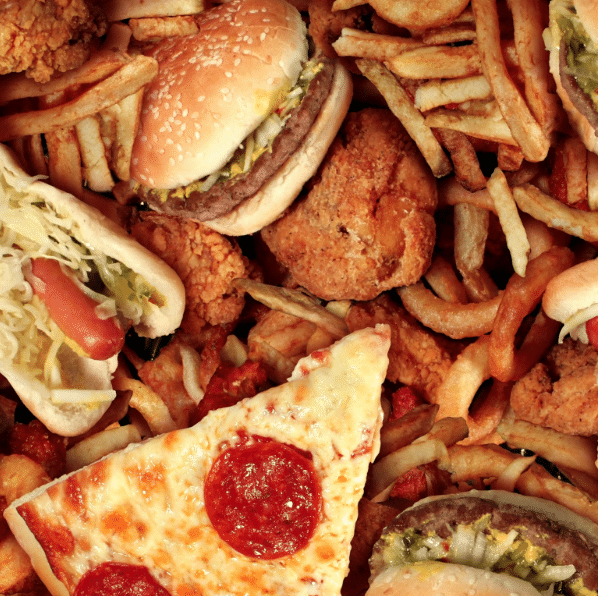
The handling, processing, and packaging of processed foods can introduce contaminants, such as bacteria, viruses, or chemicals from packaging materials. Although food safety standards are in place, recalls due to contamination are not uncommon, highlighting the potential risks associated with processed foods.
Environmental Impact
Processed foods often come wrapped in single-use plastics or non-biodegradable materials, contributing to environmental pollution. The production, packaging, and transportation of these foods add to the carbon footprint and greenhouse gas emissions, exacerbating environmental degradation.
While processed foods offer convenience, their adverse effects on health and the environment make them a less favorable choice in the long run. A diet rich in fresh, whole foods not only supports better health but also promotes environmental sustainability.